Strategies for SEO Success: 10 Trends and Tips Shaping 2024

In the dynamic landscape of digital marketing, staying ahead of the curve is essential for businesses striving to maintain and enhance their online presence. As we look ahead to 2024, it’s crucial to anticipate emerging trends and adapt our SEO strategies accordingly. Here, we delve into ten key SEO trends and tips that will shape the digital landscape in 2024 and beyond.

1. Voice Search Optimization: Embracing the Rise of Voice Assistants

Voice search continues to gain prominence as consumers increasingly rely on voice-activated assistants like Siri, Alexa, and Google Assistant. Optimizing content for voice search queries requires a conversational tone, long-tail keywords, and concise answers to commonly asked questions.

2. AI-Driven SEO Strategies: Leveraging Machine Learning for Enhanced Performance

Artificial intelligence (AI) and machine learning algorithms are revolutionizing SEO strategies by providing insights into user behavior, predicting search trends, and automating repetitive tasks. Marketers can harness AI tools to analyze data, personalize content, and optimize website performance for better search rankings.

3. Mobile-First Indexing: Prioritizing Mobile User Experience for SEO Success

With Google’s mobile-first indexing, mobile-friendly websites are given preference in search engine rankings. Optimizing websites for mobile devices involves responsive design, fast loading times, and intuitive navigation to deliver a seamless user experience across all devices.

4. Content Quality Over Quantity: Crafting Engaging and Valuable Content

In 2024, quality content will continue to reign supreme in SEO. Rather than focusing solely on churning out a high volume of content, marketers should prioritize creating informative, relevant, and engaging content that resonates with their target audience and provides value.

5. E-A-T and Expertise: Establishing Authority and Trustworthiness in Content

Google’s E-A-T (Expertise, Authoritativeness, Trustworthiness) guidelines emphasize the importance of demonstrating expertise and authority in content creation. Establishing credibility through expert opinions, authoritative sources, and transparent information builds trust with users and search engines alike.

6. User Experience Optimization: Enhancing Site Speed and Accessibility

A seamless user experience is integral to SEO success. Optimizing site speed, improving accessibility for users with disabilities, and enhancing overall usability contribute to higher search rankings and increased user engagement.

7. Video SEO: Harnessing the Power of Video Content for Search Visibility

Video content continues to dominate online consumption, making video SEO an essential aspect of digital marketing strategies. Optimizing video content with relevant keywords, compelling titles, and detailed descriptions can improve search visibility and drive organic traffic to websites.

8. Local SEO Dominance: Targeting Hyper-Local Audiences for Business Growth

For businesses operating on a local scale, local SEO is paramount. Optimizing Google My Business listings, obtaining local citations, and generating positive reviews are crucial for improving visibility in local search results and attracting nearby customers.

9. Featured Snippets and Zero-Click Searches: Optimizing for Position Zero

Featured snippets, also known as position zero, are concise answers displayed at the top of search engine results pages (SERPs). Optimizing content for featured snippets through structured data markup, clear formatting, and providing direct answers can increase visibility and drive traffic to websites.

10. Data Privacy Compliance: Navigating SEO in an Era of Increased Privacy Regulations

As concerns over data privacy continue to grow, compliance with privacy regulations such as GDPR and CCPA is essential for businesses conducting online activities. Adhering to data privacy laws protects user data, builds trust with consumers, and mitigates the risk of penalties for non-compliance.

In conclusion

Staying abreast of emerging SEO trends and implementing effective strategies is imperative for businesses seeking to thrive in the digital landscape of 2024. By embracing voice search optimization, leveraging AI-driven insights, prioritizing mobile user experience, and focusing on quality content and user experience, businesses can enhance their online visibility, attract organic traffic, and achieve sustainable growth in the competitive world of digital marketing.

As we look forward to 2024 and beyond, it’s evident that SEO will continue to evolve in response to technological advancements, shifting consumer behavior, and regulatory changes. By embracing these ten SEO trends and tips, businesses can position themselves for success in the digital landscape.

Voice search optimization, AI-driven strategies, and mobile-first indexing underscore the importance of adapting to changing user preferences and technological innovations. Quality content creation, E-A-T principles, and user experience optimization remain foundational pillars of effective SEO strategies, emphasizing the importance of providing value and building trust with audiences.

The rise of video SEO, local SEO dominance, and optimization for featured snippets highlight the diverse opportunities for businesses to enhance their online visibility and attract targeted traffic. Additionally, navigating data privacy regulations underscores the importance of ethical data practices and transparency in digital marketing efforts.

In conclusion, by staying informed, agile, and proactive in their approach to SEO, businesses can navigate the complexities of the digital landscape with confidence. By incorporating these SEO trends and tips into their strategies, businesses can drive organic traffic, improve search rankings, and achieve sustainable growth in the competitive online marketplace.
Navigating the Dynamic World of SEO: Top Tools for 2024

In the fast-paced world of digital marketing, staying ahead of the curve is essential for success. With search engine algorithms evolving constantly, businesses and marketers must leverage the right tools to optimize their online presence and drive traffic to their websites. In this comprehensive guide, we’ll explore the top SEO tools for 2023, equipping you with the knowledge and resources needed to navigate the complexities of search engine optimization and achieve your marketing goals.

Ahrefs

Ahrefs stands as a leading SEO toolset renowned for its comprehensive features catering to digital marketers and website owners. With functionalities spanning from keyword research to backlink analysis, Ahrefs offers invaluable insights into competitor strategies and market trends. Its user-friendly interface and robust data empower users to optimize their online presence effectively. Trusted by industry experts worldwide, Ahrefs continues to be a go-to solution for maximizing organic search visibility and driving website growth.

SEMRush

All-in-One Marketing Solution SemRush is another powerhouse in the world of digital marketing, offering a comprehensive suite of tools to help businesses improve their online visibility.

Additionally, with features like keyword research, competitive analysis, and PPC campaign management, SemRush provides valuable insights into market trends and consumer behavior. Moreover, its intuitive interface and actionable recommendations make it a must-have tool for any marketer looking to enhance their online presence.

Google Search Console

Essential SEO Insights Google Search Console is a free tool provided by Google that offers valuable insights into website performance and search engine visibility. From monitoring website traffic to identifying indexing issues and keyword rankings, Google Search Console provides essential data to help businesses improve their SEO strategy. While it may not offer the same level of detail as other tools, its integration with Google’s search engine makes it an invaluable resource for any website owner or marketer.

Moz Pro

Elevating Website Traffic and Visibility Moz Pro is a versatile SEO tool that offers a wide range of features to help businesses improve their website traffic and search engine visibility. From keyword research to on-page optimization and link building, Moz Pro provides actionable insights to help businesses achieve their SEO goals. Its user-friendly interface and comprehensive reports make it a favorite among marketers and SEO professionals alike.

Ubersuggest

Premier Keyword Research Tool Ubersuggest is a premier keyword research tool that helps businesses identify high-value keywords and optimize their content for search engines. With features like daily rank tracking, competitor analysis, and site audits, Ubersuggest provides valuable insights into market trends and consumer behavior. Its user-friendly interface and comprehensive reports make it a favorite among marketers and SEO professionals alike.

Siteliner

Evaluating Website Quality and Search Rankings Siteliner is a free tool that evaluates websites to identify issues affecting website quality and search rankings. From identifying duplicate content to highlighting broken links and SEO-prominent pages, Siteliner provides valuable insights to help businesses improve their website’s performance. Its fast analysis and detailed reports make it a valuable resource for any website owner or marketer.

KWFinder

Comprehensive Keyword Research Tool KWFinder is a comprehensive keyword research tool that helps businesses identify high-value keywords and optimize their content for search engines. With features like domain and keyword searches, bulk uploads, and competitor analysis, KWFinder provides valuable insights into market trends and consumer behavior. Its user-friendly interface and comprehensive reports make it a favorite among marketers and SEO professionals alike.

Conclusion

In conclusion, navigating the dynamic world of SEO requires the right tools and resources. From comprehensive SEO toolkits to keyword research and website evaluation tools, the top SEO tools for 2023 offer valuable insights and actionable recommendations to help businesses improve their online presence and drive traffic to their websites. By leveraging these tools effectively, businesses can stay ahead of the curve and achieve their digital marketing goals in today’s competitive online landscape.

Discovering Beyond Google: 13 Search Engines Redefining Online Exploration in 2024

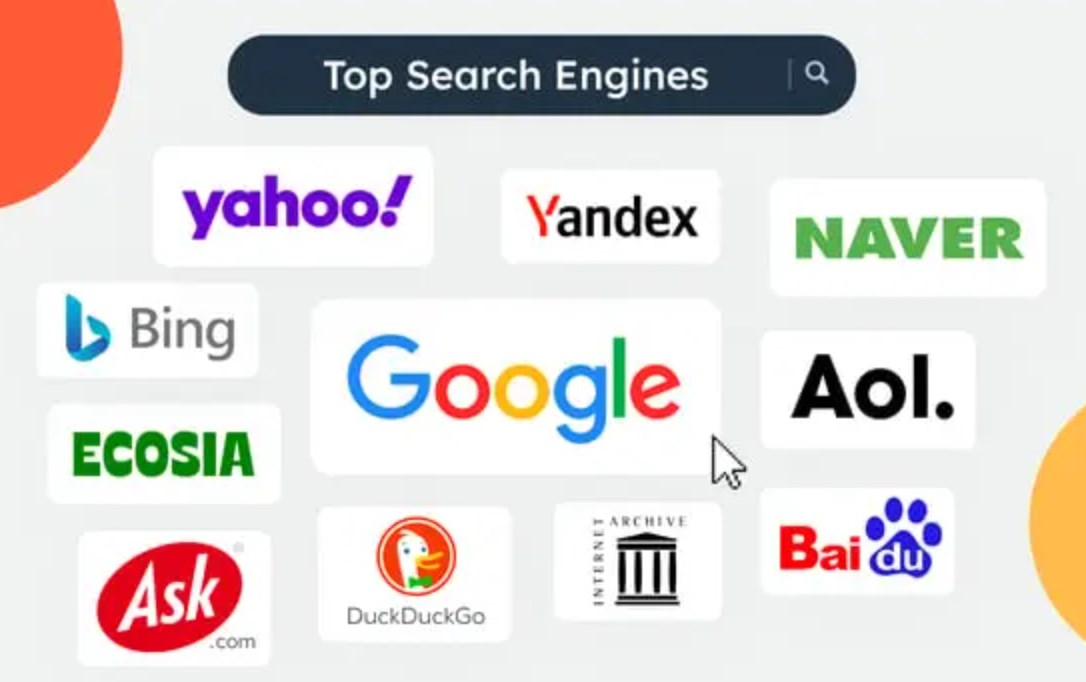
Regarding search engines, Google has long been the undisputed champion, dominating the digital landscape with unparalleled reach and precision. However, many alternative search engines offer unique features, privacy options, and specialized search experiences in a world driven by innovation and diversity. Here are 13 search engines other than Google redefining online exploration in 2024.

DuckDuckGo

DuckDuckGo prioritizes user privacy above all else, offering a browsing experience free from tracking and personalized ads. By avoiding collecting user data and delivering unbiased search results, DuckDuckGo has earned the trust of privacy-conscious individuals seeking a more secure alternative to traditional search engines.

Bing

Microsoft’s Bing offers a visually appealing interface and delivers relevant search results, making it a strong contender in the search engine market. With integration across Microsoft’s suite of products, including Office and Outlook, Bing provides users with seamless access to information and services across various platforms.

StartPage

StartPage provides users with the familiarity of Google search results while prioritizing user privacy and anonymity. By delivering search results sourced directly from Google without tracking user data, StartPage offers a compromise-free browsing experience for those seeking privacy without sacrificing search accuracy.

Ecosia

Ecosia stands out for its unique environmental mission, using search ad revenue to fund tree planting projects worldwide. Users can contribute to reforestation efforts and combat deforestation by simply searching the web, making Ecosia a compelling choice for environmentally conscious individuals looking to make a positive impact through their online activities.

Yahoo

Despite its decline in popularity, Yahoo remains a versatile search engine, offering a range of services beyond traditional web search. Yahoo continues to serve as a multifaceted platform for users seeking diverse content and experiences online, from news and finance to entertainment and email.

Yandex

Designed for Russian-speaking users, Yandex provides localized search results, language support, and a suite of services tailored to the needs of its audience. With features like maps, weather forecasts, and translation tools, Yandex offers a comprehensive search experience for users in Russian-speaking regions.

Qwant

Qwant strongly emphasizes user privacy and data protection, delivering comprehensive search results while ensuring user anonymity and confidentiality. By sourcing results from various sources, including social media and news outlets, Qwant provides users with a holistic view of the web while safeguarding their personal information.

Swisscows

Swisscows is a family-friendly search engine, offering safe and accurate search results suitable for users of all ages. With a commitment to filtering out inappropriate content, Swisscows provides parents and guardians peace of mind while allowing children to explore the web in a safe and controlled environment.

Gibiru

Gibiru enables users to access uncensored information and search results that may be restricted on traditional search engines. By bypassing filters and censorship, Gibiru empowers users to explore a wide range of content and perspectives without limitations or restrictions.

Mojeek

As an independent search engine, Mojeek provides unbiased and ad-free search results sourced from its web index. Focusing on transparency and neutrality, Mojeek offers users an alternative to mainstream search engines, free from the influence of personalized ads and algorithmic biases.

OneSearch

Developed with user privacy in mind, OneSearch encrypts search terms and emphasizes transparent privacy practices. By offering a secure and confidential search experience, OneSearch addresses growing concerns about online privacy and data security, providing users with peace of mind while browsing the web.

Boardreader

Tailored for users seeking online discussions and community forums, Boardreader aggregates search results from various forums and social media platforms. By enabling users to explore diverse conversations and topics, Boardreader is a valuable resource for those looking to engage with like-minded individuals and communities online.

Ekoru

Like Ecosia, Ekoru is committed to environmental sustainability, using some of its revenue to support ocean conservation projects. Users can contribute to marine protection efforts simply by searching the web.

In conclusion

While Google remains the dominant force in the world of search engines, the landscape is evolving, offering users many alternatives catering to various preferences and priorities. Whether you prioritize privacy, environmental sustainability, or uncensored access to information, these 13 search engines offer compelling alternatives to explore in 2024 and beyond. Embrace the diversity of online search and embark on a journey of exploration with these innovative platforms at your fingertips.

10 Crucial SEO Mistakes to Avoid for Sustainable Online Success

In the dynamic realm of SEO, evolution is constant, with only a few core principles remaining static. A decade ago, the crux of improving website rankings was centered around targeting keywords. However, today, the significance lies not just in selecting keywords, but in choosing the right ones. Moreover, with the advent of new algorithms, several software tools have emerged to aid marketing strategies.

While Google Search results offer a plethora of SEO tips and tricks, many of these may inadvertently harm rather than benefit your website in the long term. Understanding where you might be going wrong with SEO is crucial. Steering clear of common pitfalls lays a solid foundation for experimenting with new strategies in 2021.

Every new year presents an opportunity to set higher marketing goals. For newcomers to the digital marketing arena, navigating the landscape can be daunting, making it challenging to discern the right strategies to adopt. Amidst a sea of questions and guides, it’s not uncommon to stumble into common mistakes. To address this, let’s explore some of these missteps along with suggestions for overcoming them.

Neglecting Local SEO Optimization

Local SEO optimization is essential for businesses targeting local customers. Neglecting this aspect can result in missed opportunities for attracting nearby clientele.

  • Claim and optimize your Google My Business listing.
  • Ensure consistency in NAP (Name, Address, Phone Number) across all online platforms.
  • Encourage customer reviews and respond promptly to feedback.
  • Utilize local keywords and geographic modifiers in content and meta tags.
  • Participate in local events and sponsorships to enhance visibility within the community.

Not Knowing Your Audience

Understanding your audience is fundamental to successful SEO. Failing to identify your target demographic can hinder progress significantly. Companies that grasp their audience’s preferences at a granular level tend to outperform competitors. Skipping audience analysis and diving straight into technical aspects can render your efforts ineffective.

  • Conduct market research to understand macro trends.
  • Utilize historical and real-time data to gauge audience interests.
  • Optimize timing using Google Analytics tools.
  • Align keyword selections with consumer intent.

Not Being Up to Date

While quality content is essential for SEO, ensuring its relevance to current trends can bolster effectiveness. Staying updated minimizes mismatches between user intent and content.

  • Subscribe to relevant newsletters.
  • Establish a content posting schedule.
  • Engage with industry communities and marketing channels for timely updates.

Just Wing It: Not Having a Roadmap or SEO Plan

Operating without a plan may yield sporadic results but lacks sustainability. Establishing a roadmap aligns efforts with marketing goals and improves long-term outcomes.

  • Identify technologies to streamline workflow.
  • Delegate roles for content creation, digital alignment, and site updates.
  • Break down tasks and set measurable goals.
  • Analyze competitor strategies for insights.

Publishing Non-Original Content

Creating original content is paramount for SEO success. Duplicating content or producing thin content compromises credibility and rankings.

  • Craft compelling headlines.
  • Avoid content spin-offs; invest in research and creation.
  • Attribute information to trustworthy sources.

Ignoring Search Features and Structured Data

Structured data enhances website visibility and user experience. Leveraging structured data markup improves search engine rankings and enhances internal search functionality.

  • Implement structured data for various content types.
  • Optimize internal search functionality for seamless navigation.

Not Using Enough Headings and Lists

Organizing content with headings, subheadings, and lists enhances readability and engagement. Proper formatting increases the likelihood of featured snippets, boosting SERP visibility.

  • Break down paragraphs with subheadings.
  • Employ bullet points for easy scanning.
  • Include a table of contents for lengthy content pieces.

Not Focusing on Branded Anchor Text

Strategic use of anchor text is crucial for SEO. Balancing optimization without overdoing it is key to maintaining search engine favor.

  • Avoid links from toxic sites.
  • Use no-follow links for questionable references.
  • Diversify anchor text for internal links.

Skipping Meta Descriptions and Title Tags

Meta descriptions and title tags contribute to search engine understanding and user click-through rates. Properly optimized tags improve search visibility and user engagement.

    • Craft unique and descriptive meta tags for each page.
    • Strategically place keywords in titles and descriptions.
    • Adhere to Google’s best practices for titles and snippets.

Not Optimizing for Mobile

Mobile optimization is imperative as mobile usage surpasses desktop. A responsive design and fast loading times are critical for user satisfaction and SEO performance.

  • Ensure responsive design for all devices.
  • Create mobile-friendly content.
  • Prioritize fast load times to reduce bounce rates.

General Tips for SEO Starters

  • Prioritize website speed optimization.
  • Select relevant content for outbound links.
  • Focus on user-centric content creation.
  • Cultivate backlinks from reputable sites.
  • Implement web analytics from the outset.
  • Craft unique meta descriptions for every page.
  • Keep URLs concise and descriptive.
  • Cultivate social signals for momentum.
  • Optimize image alt text with relevant keywords.
  • Maintain a consistent posting schedule.

Regardless of whether you’re a B2B or B2C marketer, mistakes are inevitable. What sets apart success in this field is the ability to learn from these mistakes and implement positive changes.

SEO Mastery: 12 Proven Strategies for Boosting Rankings and Driving Traffic

In the dynamic world of online presence, Search Engine Optimization (SEO) remains pivotal in enhancing a website’s organic search traffic. This comprehensive process involves a strategic blend of technical optimization, content refinement, and targeted actions to secure higher rankings in search engine results. Elevate your website’s visibility and attract more visitors by implementing these 12 effective SEO tips designed for both ranking improvement and substantial traffic growth.

  1. Keyword Research and Targeting: Understand and incorporate relevant keywords to align your content with user interests, addressing needs strategically. Utilize tools like Google Keyword Planner, SEMrush, or Ahrefs for comprehensive keyword research and ongoing strategy adaptation.

  2. High-Quality Content: Craft well-researched, accurate, and engaging content that exceeds user expectations. Quality content establishes authority, builds trust, reduces bounce rates, and attracts valuable backlinks.

  3. On-Page Optimization: Optimize web page elements for improved search engine rankings and user experience. This includes structured content, keyword-rich URLs, internal linking, and optimized images for enhanced accessibility.

  4. Mobile-Friendly Design: Ensure your website is easily accessible and visually appealing on various mobile devices. Mobile-friendly design contributes to improved user experience, lower bounce rates, and higher Google rankings.

  5. Page Speed and Performance: Optimize page loading times and overall performance to enhance user engagement. Fast-loading pages positively impact user experience, satisfaction, and search engine rankings.

  6. Technical SEO: Enhance search engine visibility by optimizing technical aspects such as HTML markup, structured data, XML sitemaps, and mobile-friendliness. Regular audits ensure a well-maintained site structure.

  7. Quality Backlinks: Acquire authoritative and relevant backlinks from reputable sources. Quality backlinks endorse your content’s value, boost credibility, and significantly impact search engine rankings.

  8. User Experience (UX): Focus on how users interact with your site, optimizing design, navigation, readability, and usability. Positive UX leads to longer visits, lower bounce rates, and repeat users.

  9. Social Signals: Leverage social media interactions (likes, shares, comments) to enhance content resonance and indirectly contribute to improved search engine rankings.

  10. Regular Updates: Consistently refresh and enhance content to maintain relevance. Regular updates demonstrate ongoing engagement with search engines and improve search ranking potential.

  11. Monitor and Analyze: Track website metrics, analyze user behavior, and gain insights to optimize the user experience. Regular monitoring using tools like Google Analytics informs data-driven decision-making.

  12. Continuing to Study SEO: Stay informed about evolving strategies and trends through ongoing learning, industry updates, courses, workshops, experimentation, networking, case studies, adaptation, problem-solving, data analysis, tools mastery, Google updates awareness, personal projects, and practicing patience.

Mastering SEO requires aligning content precisely with user intent, optimizing technical elements, and building influential backlinks. Crafting compelling, high-quality content and ensuring seamless mobile-friendliness enhance both visibility and user experience, contributing to ranking ascent and traffic growth. Consistent updates, reinforced by data analysis and adaptive strategies, fuel perpetual enhancement. Achieving enduring SEO success involves staying attuned to industry trends, engaging in experimentation, and fostering a robust network, propelling you to excel in this dynamic realm and activating remarkable progress in ranking elevation and traffic growth.

Navigating Backlinks in SEO: Insights into Significance

Backlinks, the links from one website to another, play a crucial role in SEO. They signify trust and value to search engines, elevating your site’s visibility and authority. These virtual ‘thumbs-ups’ from the online world enhance your website’s influence and make it more discoverable to those searching for related content.

Types of Backlinks

Dofollow Backlinks:

  • Regular links without a ‘nofollow’ tag.
  • Positively impact search rankings and domain authority.
  • Commonly referred to when discussing backlinks.

Nofollow Backlinks:

  • Have a ‘nofollow’ tag, indicating no SEO value.
  • Don’t directly boost SEO rankings but can drive traffic.
  • Common in blog comments, forums, and some social media links.

Importance of Backlinks

  • Authority and Credibility: Demonstrates trustworthiness and expertise to search engines.
  • Higher Search Rankings: Quality backlinks are associated with improved search result rankings.
  • Referral Traffic: Drives traffic from other websites, expanding your audience reach.
  • Indexing and Crawling: Assists search engines in discovering and indexing your content.
  • Domain Authority: Uplifts your domain’s authority and reputation.
  • Natural Link Profile: Fosters a comprehensive, natural linking structure.
  • Competitive Edge: Greater quantity and quality of backlinks can surpass competitors.
  • Content Validation: Supports the importance and suitability of your content.
  • Long-Term Benefits: Plays a role in maintaining long-term SEO success.

Characteristics of a Good Backlink

  • Relevance: Links should be from websites related to your content.
  • Authority: Meaningful links come from respected sources.
  • Natural: Earned through quality content, not paid schemes.
  • Diverse Sources: A range of links from different sources creates a balanced profile.
  • Anchor Text: Helps search engines understand important keywords.

What to Avoid in Backlinks

  • Low-Quality Sites: Links from spam websites can harm your website’s reputation.
  • Paid Links: Purchasing or selling links goes against guidelines and may lead to penalties.
  • Irrelevant Links: Backlinks should be relevant to your content.

How to Get Backlinks

  • Create High-Quality Content: Valuable content naturally attracts backlinks.
  • Guest Posting: Contribute articles to respected and related websites for quality backlinks.
  • Outreach: Reach out to bloggers, journalists, and site owners for potential backlinks.
  • Social Media Promotion: Sharing content on social platforms can increase exposure and backlinks.
  • Broken Link Building: Propose your content as an alternative for broken links on external websites.
  • Participate in Online Communities: Engage in discussions to build connections and secure backlinks.
  • Collaborations and Partnerships: Partner with others in your industry for natural backlinks.

Popular Backlink Tools

  • Ahrefs: Comprehensive tool for backlink analysis and more.
  • Moz Link Explorer: Analyzes backlink profiles and identifies link-building opportunities.
  • SEMrush: Versatile tool with backlink analysis capability and other features.
  • Google Search Console: Provides basic information on indexed backlinks.
  • Ubersuggest: User-friendly tool for basic backlink analysis.

Prioritize quality over quantity in backlinks, focusing on relevant, high-quality ones. Utilize tools to monitor and inform your SEO choices, remembering that a few valuable backlinks are more impactful than numerous low-quality ones

2024 Google Analytics Mastery: A Comprehensive Guide

In today’s landscape of SEO and Digital Marketing, maintaining an online presence is paramount, yet navigating the plethora of sub-tools and services can be daunting. Among these, Google Analytics (GA) emerges as a crucial asset as we approach 2021. This comprehensive analytical tool offers invaluable insights into website or web app performance, tracking progress and performance in real-time. While other tools like Matomo, Woopra, FoxMetrics, and Chartbeat offer commendable features, GA stands out as a top choice for organizing SEO efforts effectively. Whether you’re a novice or seasoned professional, understanding GA is essential, and below is a guide to get you started.

Understanding Google Analytics (GA)

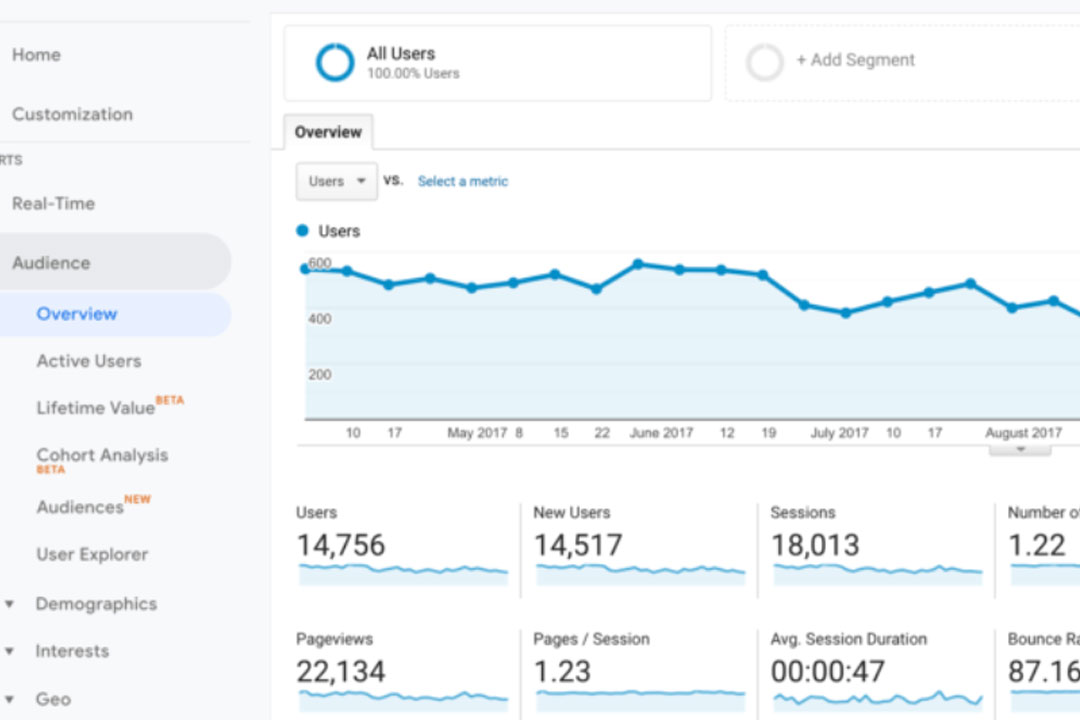
Google Analytics serves as an analytical powerhouse, providing users with a detailed overview of website performance. Essentially, it tracks and visualizes website progress in real-time, integrating seamlessly with major Google marketing and advertising platforms. Its data-driven approach proves invaluable for SEO endeavors, offering professionals actionable insights for optimizing online presence. While setting up and mastering GA may require time and effort, the wealth of marketing analysis options and abundance of data make it a worthy investment.

Exploring GA Pricing: Free vs. Paid Version

Google Analytics offers both free and paid versions to cater to varying business needs. The free version suffices for beginners and small businesses, providing essential features to enhance online visibility. Conversely, the paid version, Analytics 360, targets enterprise-level businesses, offering enhanced capabilities and support. With Analytics 360 priced starting at $150,000 per year, its extensive features and raw data access justify the investment, particularly for large organizations seeking invaluable insights for strategic decision-making.

Key Differences between Free and Paid Version

  • Data Volume Capacity: Free version offers up to 10 million hits per month, while the paid version supports up to 20 billion.
  • Custom Dimension and Metrics: Paid version offers ten times more customization options.
  • Data Freshness: Free version may have data freshness over 24 hours, while paid version provides fresh data every hour.
  • Support and Services: Analytics 360 users benefit from dedicated account managers, implementation support, training from Google experts, and more.

Setting Up Google Analytics: Step-by-Step Guide

  1. Create a Google Account: If you don’t have one, register for a Google account.
  2. Register for Google Analytics: Add your website’s URL, company name, and industry.
  3. Add a View to Your Property: Name and configure different types of views for your website.
  4. Access Unique ID and Global Site Tag: This code snippet is essential for tracking website visits.
  5. Paste Global Site Tag on Your Website: Place this tag in the <head> tag of each page for tracking.
  6. Verify and Monitor Setup: Return to Google Analytics portal to ensure the code is functioning correctly.

Google Analytics Reports: Unveiling Insights

  • Real-time Reports: Monitor website activity in real-time, capitalizing on trending content.
  • Audience Report: Gain insights into visitor demographics, lifetime value, and cohort analysis.
  • Acquisition Report: Analyze traffic sources, aiding in strategic targeting.
  • Behavior Report: Dive deep into site content, speed, landing pages, and more.
  • Conversions Report: Track goal completions and overall website performance.

Advantages of Using Google Analytics

  • Cost-Effective: Free version offers robust features at no cost.
  • Data Visualization: Easily comprehend website performance through visualizations.
  • Meaningful Reporting: Draw actionable conclusions from comprehensive reports.
  • Real-time Data: Monitor performance and compare metrics instantly.
  • Target Audience Insights: Pinpoint and understand target audience better.
  • Improved SEO: Enhance SEO strategies through data-driven insights.

Ready to Track

Armed with the knowledge of setting up and utilizing Google Analytics, you’re now equipped to track and optimize your online presence effectively. For ongoing support and updates, consider joining digital marketing communities on social media platforms. With GA’s sophisticated data analysis capabilities, your SEO efforts are poised for success in the ever-evolving digital landscape.

In the ever-evolving realm of SEO and Digital Marketing, maintaining a strong online presence is essential for businesses of all sizes. Google Analytics emerges as a powerful ally, offering invaluable insights into website performance and user behavior. Whether you opt for the free version or invest in Analytics 360, the benefits of leveraging GA are undeniable. From real-time tracking to comprehensive reporting, GA equips marketers with the tools needed to optimize their online strategies effectively.

By following the step-by-step guide and exploring the various reports provided by Google Analytics, marketers can gain a deeper understanding of their audience, traffic sources, and website performance metrics. Armed with this knowledge, they can make informed decisions to enhance their SEO efforts, improve user experience, and drive business growth.

As you embark on your journey with Google Analytics, remember to stay engaged with digital marketing communities for ongoing support and updates. With GA’s robust features and data-driven insights, you’re well-positioned to navigate the complexities of the digital landscape and achieve success in your online endeavors.

Travel SEO: The Importance of SEO in the Travel Industry

Travel Business has one of the most competitive markets out that, and it is rare to obtain the monopoly on the site that travelers will reach for their travel enquiries. Studies show that over 80% of the overall trips are booked online. Similarly, independent tour operators are trusted more in cases of hotel and flights as a single package rather than purchasing them in mainstream websites. One can understand the importance of not only being on the first page of any SERP but also an effective booking and web services that a travel company has to provide. Here, are the fundamental importance of SEO for blooming Travel business.

1. Increase Website Traffic

It is no secret that being on the introductory pages of the Search engine results in an increase of a reasonable number of visits on your website. The main goal of doing SEO enhancement of your website is to make the site rank higher in the Search Engine Result Page (SERP). Additionally, it also enables your website to get more filtered visitors rather than any random person. For example, if you type “cheap trekking destinations in Nepal,” the sites with best-optimized format appears in the top portion. If you are the owner of one of these sites, more than 60 % of the qualified travelers (In this case, leisure individual/ group trekkers) will reach for the website for enquiry or any other useful information.

Hence, with proper aid of SEO techniques, you can increase both the quality and quantity of the visitors on your website.

2. Cheaper and more effective than pay per Click Advertisements

Well the easiest way to make your site reach the top of the SERP is to pay a significant amount to the Search Engine Company and pay them per click that your website would open to the user’s query. However, is it the best way to invite traffic? Certainly not. It might just be more hazardous than doing nothing as the best visitors are not always guaranteed with Ads. The main focus of this kind of services by Google or any other medium is quantity/ volume rather than quality (potential clients). And just in case you have balanced the client to Service ratio, your site will remain just where it was after the advertisement tenure has expired. So, with SEO, you can grow gradually and steadily to the top page rather than a kick-start with a steep drop with pay-per-click ads.

3. SEO can transform your Business

SEO doesn’t only deal with the reach, but it improves the overall quality of your existing website. It regularly monitors the content and the way that you are displaying it to give you the best tips in time. Similarly, you can make your site friendlier, decreasing the bounce rate of the visitors moving from your website to the next related ones. It enables you to track the guidelines of a more successful site and gives you key direction to sprint to your goal. SEO can change your way of handling Business, and deviate it to the most ideal path.

4. Builds links and Network

Links are one of the most critical factors for a successful Travel business. With healthy bonds, you can be the one when somebody discusses being authoritative and influencer travel sites. It also helps in making a strong network able to deal with any forms of complications and challenges. With SEO, you can try getting links from genuine blogs, one which might not involve business but certainly captures the attention of the potential client to your site. Featuring the links worth being useful to your audience earns you trust both from readers and fellow competitors. With some Guest posts, you definitely invite some ideal clients to your site.

5. Creates a robust social profile

Being socially approved gives your business a solid base to leap into the market. With a strong profile, you can get visitors from other dimensions too. Additionally, it raises the goodwill for any future plans of embedding or selling your company. If you are visible in different mediums of social interactions (the best example of Social media), the company name is more likely to turn into a strong brand. Being active digitally in Social media platforms also enhance your search engine pages. SEO with its branch SMM (Social Media Marketing) guides you to a better future of the company.

The travel industry is ever-evolving and for keeping up with its pace better be prepared with proper SEO tools and techniques in your arsenal.