
SEO Mastery: 12 Proven Strategies for Boosting Rankings and Driving Traffic

In the dynamic world of online presence, Search Engine Optimization (SEO) remains pivotal in enhancing a website’s organic search traffic. This comprehensive process involves a strategic blend of technical optimization, content refinement, and targeted actions to secure higher rankings in search engine results. Elevate your website’s visibility and attract more visitors by implementing these 12 effective SEO tips designed for both ranking improvement and substantial traffic growth.

  1. Keyword Research and Targeting: Understand and incorporate relevant keywords to align your content with user interests, addressing needs strategically. Utilize tools like Google Keyword Planner, SEMrush, or Ahrefs for comprehensive keyword research and ongoing strategy adaptation.

  2. High-Quality Content: Craft well-researched, accurate, and engaging content that exceeds user expectations. Quality content establishes authority, builds trust, reduces bounce rates, and attracts valuable backlinks.

  3. On-Page Optimization: Optimize web page elements for improved search engine rankings and user experience. This includes structured content, keyword-rich URLs, internal linking, and optimized images for enhanced accessibility.

  4. Mobile-Friendly Design: Ensure your website is easily accessible and visually appealing on various mobile devices. Mobile-friendly design contributes to improved user experience, lower bounce rates, and higher Google rankings.

  5. Page Speed and Performance: Optimize page loading times and overall performance to enhance user engagement. Fast-loading pages positively impact user experience, satisfaction, and search engine rankings.

  6. Technical SEO: Enhance search engine visibility by optimizing technical aspects such as HTML markup, structured data, XML sitemaps, and mobile-friendliness. Regular audits ensure a well-maintained site structure.

  7. Quality Backlinks: Acquire authoritative and relevant backlinks from reputable sources. Quality backlinks endorse your content’s value, boost credibility, and significantly impact search engine rankings.

  8. User Experience (UX): Focus on how users interact with your site, optimizing design, navigation, readability, and usability. Positive UX leads to longer visits, lower bounce rates, and repeat users.

  9. Social Signals: Leverage social media interactions (likes, shares, comments) to enhance content resonance and indirectly contribute to improved search engine rankings.

  10. Regular Updates: Consistently refresh and enhance content to maintain relevance. Regular updates demonstrate ongoing engagement with search engines and improve search ranking potential.

  11. Monitor and Analyze: Track website metrics, analyze user behavior, and gain insights to optimize the user experience. Regular monitoring using tools like Google Analytics informs data-driven decision-making.

  12. Continuing to Study SEO: Stay informed about evolving strategies and trends through ongoing learning, industry updates, courses, workshops, experimentation, networking, case studies, adaptation, problem-solving, data analysis, tools mastery, Google updates awareness, personal projects, and practicing patience.

Mastering SEO requires aligning content precisely with user intent, optimizing technical elements, and building influential backlinks. Crafting compelling, high-quality content and ensuring seamless mobile-friendliness enhance both visibility and user experience, contributing to ranking ascent and traffic growth. Consistent updates, reinforced by data analysis and adaptive strategies, fuel perpetual enhancement. Achieving enduring SEO success involves staying attuned to industry trends, engaging in experimentation, and fostering a robust network, propelling you to excel in this dynamic realm and activating remarkable progress in ranking elevation and traffic growth.
Navigating Backlinks in SEO: Insights into Significance

Backlinks, the links from one website to another, play a crucial role in SEO. They signify trust and value to search engines, elevating your site’s visibility and authority. These virtual ‘thumbs-ups’ from the online world enhance your website’s influence and make it more discoverable to those searching for related content.

Types of Backlinks

Dofollow Backlinks:

  • Regular links without a ‘nofollow’ tag.
  • Positively impact search rankings and domain authority.
  • Commonly referred to when discussing backlinks.

Nofollow Backlinks:

  • Have a ‘nofollow’ tag, indicating no SEO value.
  • Don’t directly boost SEO rankings but can drive traffic.
  • Common in blog comments, forums, and some social media links.

Importance of Backlinks

  • Authority and Credibility: Demonstrates trustworthiness and expertise to search engines.
  • Higher Search Rankings: Quality backlinks are associated with improved search result rankings.
  • Referral Traffic: Drives traffic from other websites, expanding your audience reach.
  • Indexing and Crawling: Assists search engines in discovering and indexing your content.
  • Domain Authority: Uplifts your domain’s authority and reputation.
  • Natural Link Profile: Fosters a comprehensive, natural linking structure.
  • Competitive Edge: Greater quantity and quality of backlinks can surpass competitors.
  • Content Validation: Supports the importance and suitability of your content.
  • Long-Term Benefits: Plays a role in maintaining long-term SEO success.

Characteristics of a Good Backlink

  • Relevance: Links should be from websites related to your content.
  • Authority: Meaningful links come from respected sources.
  • Natural: Earned through quality content, not paid schemes.
  • Diverse Sources: A range of links from different sources creates a balanced profile.
  • Anchor Text: Helps search engines understand important keywords.

What to Avoid in Backlinks

  • Low-Quality Sites: Links from spam websites can harm your website’s reputation.
  • Paid Links: Purchasing or selling links goes against guidelines and may lead to penalties.
  • Irrelevant Links: Backlinks should be relevant to your content.

How to Get Backlinks

  • Create High-Quality Content: Valuable content naturally attracts backlinks.
  • Guest Posting: Contribute articles to respected and related websites for quality backlinks.
  • Outreach: Reach out to bloggers, journalists, and site owners for potential backlinks.
  • Social Media Promotion: Sharing content on social platforms can increase exposure and backlinks.
  • Broken Link Building: Propose your content as an alternative for broken links on external websites.
  • Participate in Online Communities: Engage in discussions to build connections and secure backlinks.
  • Collaborations and Partnerships: Partner with others in your industry for natural backlinks.

Popular Backlink Tools

  • Ahrefs: Comprehensive tool for backlink analysis and more.
  • Moz Link Explorer: Analyzes backlink profiles and identifies link-building opportunities.
  • SEMrush: Versatile tool with backlink analysis capability and other features.
  • Google Search Console: Provides basic information on indexed backlinks.
  • Ubersuggest: User-friendly tool for basic backlink analysis.

Prioritize quality over quantity in backlinks, focusing on relevant, high-quality ones. Utilize tools to monitor and inform your SEO choices, remembering that a few valuable backlinks are more impactful than numerous low-quality ones

2024 Google Analytics Mastery: A Comprehensive Guide

In today’s landscape of SEO and Digital Marketing, maintaining an online presence is paramount, yet navigating the plethora of sub-tools and services can be daunting. Among these, Google Analytics (GA) emerges as a crucial asset as we approach 2021. This comprehensive analytical tool offers invaluable insights into website or web app performance, tracking progress and performance in real-time. While other tools like Matomo, Woopra, FoxMetrics, and Chartbeat offer commendable features, GA stands out as a top choice for organizing SEO efforts effectively. Whether you’re a novice or seasoned professional, understanding GA is essential, and below is a guide to get you started.

Understanding Google Analytics (GA)

Google Analytics serves as an analytical powerhouse, providing users with a detailed overview of website performance. Essentially, it tracks and visualizes website progress in real-time, integrating seamlessly with major Google marketing and advertising platforms. Its data-driven approach proves invaluable for SEO endeavors, offering professionals actionable insights for optimizing online presence. While setting up and mastering GA may require time and effort, the wealth of marketing analysis options and abundance of data make it a worthy investment.

Exploring GA Pricing: Free vs. Paid Version

Google Analytics offers both free and paid versions to cater to varying business needs. The free version suffices for beginners and small businesses, providing essential features to enhance online visibility. Conversely, the paid version, Analytics 360, targets enterprise-level businesses, offering enhanced capabilities and support. With Analytics 360 priced starting at $150,000 per year, its extensive features and raw data access justify the investment, particularly for large organizations seeking invaluable insights for strategic decision-making.

Key Differences between Free and Paid Version

  • Data Volume Capacity: Free version offers up to 10 million hits per month, while the paid version supports up to 20 billion.
  • Custom Dimension and Metrics: Paid version offers ten times more customization options.
  • Data Freshness: Free version may have data freshness over 24 hours, while paid version provides fresh data every hour.
  • Support and Services: Analytics 360 users benefit from dedicated account managers, implementation support, training from Google experts, and more.

Setting Up Google Analytics: Step-by-Step Guide

  1. Create a Google Account: If you don’t have one, register for a Google account.
  2. Register for Google Analytics: Add your website’s URL, company name, and industry.
  3. Add a View to Your Property: Name and configure different types of views for your website.
  4. Access Unique ID and Global Site Tag: This code snippet is essential for tracking website visits.
  5. Paste Global Site Tag on Your Website: Place this tag in the <head> tag of each page for tracking.
  6. Verify and Monitor Setup: Return to Google Analytics portal to ensure the code is functioning correctly.

Google Analytics Reports: Unveiling Insights

  • Real-time Reports: Monitor website activity in real-time, capitalizing on trending content.
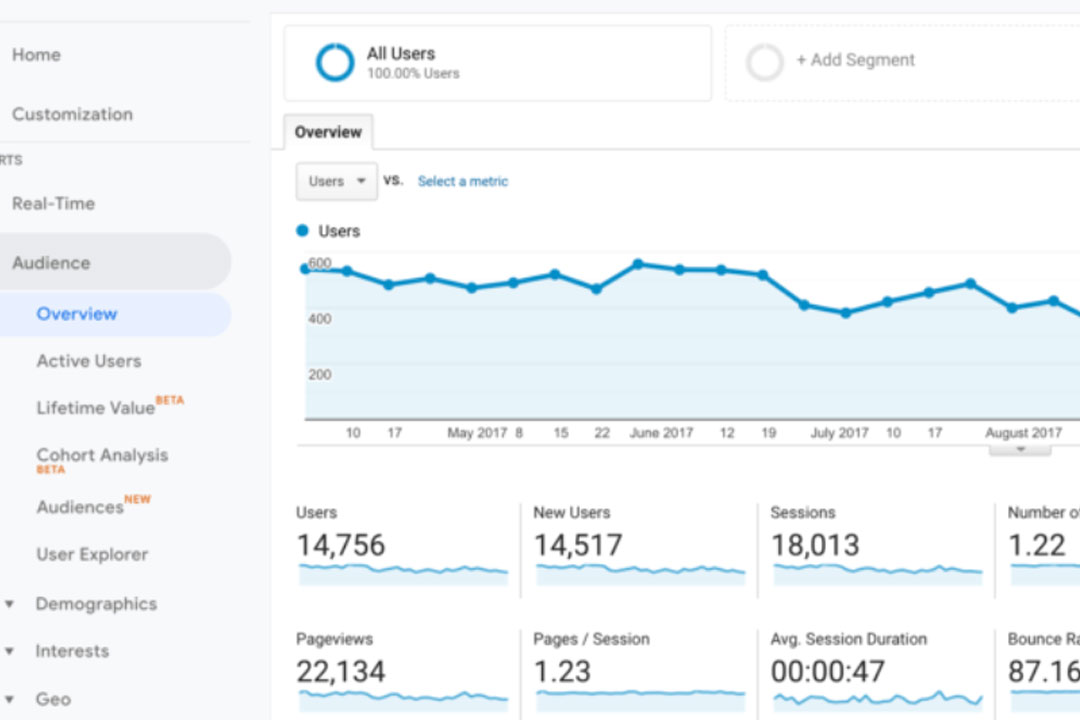
  • Audience Report: Gain insights into visitor demographics, lifetime value, and cohort analysis.
  • Acquisition Report: Analyze traffic sources, aiding in strategic targeting.
  • Behavior Report: Dive deep into site content, speed, landing pages, and more.
  • Conversions Report: Track goal completions and overall website performance.

Advantages of Using Google Analytics

  • Cost-Effective: Free version offers robust features at no cost.
  • Data Visualization: Easily comprehend website performance through visualizations.
  • Meaningful Reporting: Draw actionable conclusions from comprehensive reports.
  • Real-time Data: Monitor performance and compare metrics instantly.
  • Target Audience Insights: Pinpoint and understand target audience better.
  • Improved SEO: Enhance SEO strategies through data-driven insights.

Ready to Track

Armed with the knowledge of setting up and utilizing Google Analytics, you’re now equipped to track and optimize your online presence effectively. For ongoing support and updates, consider joining digital marketing communities on social media platforms. With GA’s sophisticated data analysis capabilities, your SEO efforts are poised for success in the ever-evolving digital landscape.

In the ever-evolving realm of SEO and Digital Marketing, maintaining a strong online presence is essential for businesses of all sizes. Google Analytics emerges as a powerful ally, offering invaluable insights into website performance and user behavior. Whether you opt for the free version or invest in Analytics 360, the benefits of leveraging GA are undeniable. From real-time tracking to comprehensive reporting, GA equips marketers with the tools needed to optimize their online strategies effectively.

By following the step-by-step guide and exploring the various reports provided by Google Analytics, marketers can gain a deeper understanding of their audience, traffic sources, and website performance metrics. Armed with this knowledge, they can make informed decisions to enhance their SEO efforts, improve user experience, and drive business growth.

As you embark on your journey with Google Analytics, remember to stay engaged with digital marketing communities for ongoing support and updates. With GA’s robust features and data-driven insights, you’re well-positioned to navigate the complexities of the digital landscape and achieve success in your online endeavors.